Table of Contents How Your Kidneys Actually Handle B12 (Its More Complex Than You Think) Why Your Individual Biology Matters More Than Generic Guidelines The Supporting Cast: Other Nutrients That Make or Break B12 Safety Testing and Monitoring: Whats Worth Asking Your Doctor About The Bottom Line B12 isnt inherently bad for kidneys, but if your kidney function drops below 60 mL/min/1.73m, B12 processing becomes less predictable Different forms of B12 affect your kidneys differently methylcobalamin might be gentler than cyanocobalamin Timing matters: taking B12 between 10 AM-2 PM works with your kidneys natural rhythms Certain genetic variations can affect how your kidneys handle B12, though testing isnt always necessary B12 without enough folate can actually stress your kidneys through a buildup of homocysteine Better kidney function tests exist beyond the standard creatinine test if youre concerned Taking B12 a few times a week instead of daily might be easier on your kidneys How Your Kidneys Actually Handle B12 (Its More Complex Than You Think) Heres what I wish someone had told me when I first started learning about this: your kidneys dont just filter out excess B12 like water through a strainer
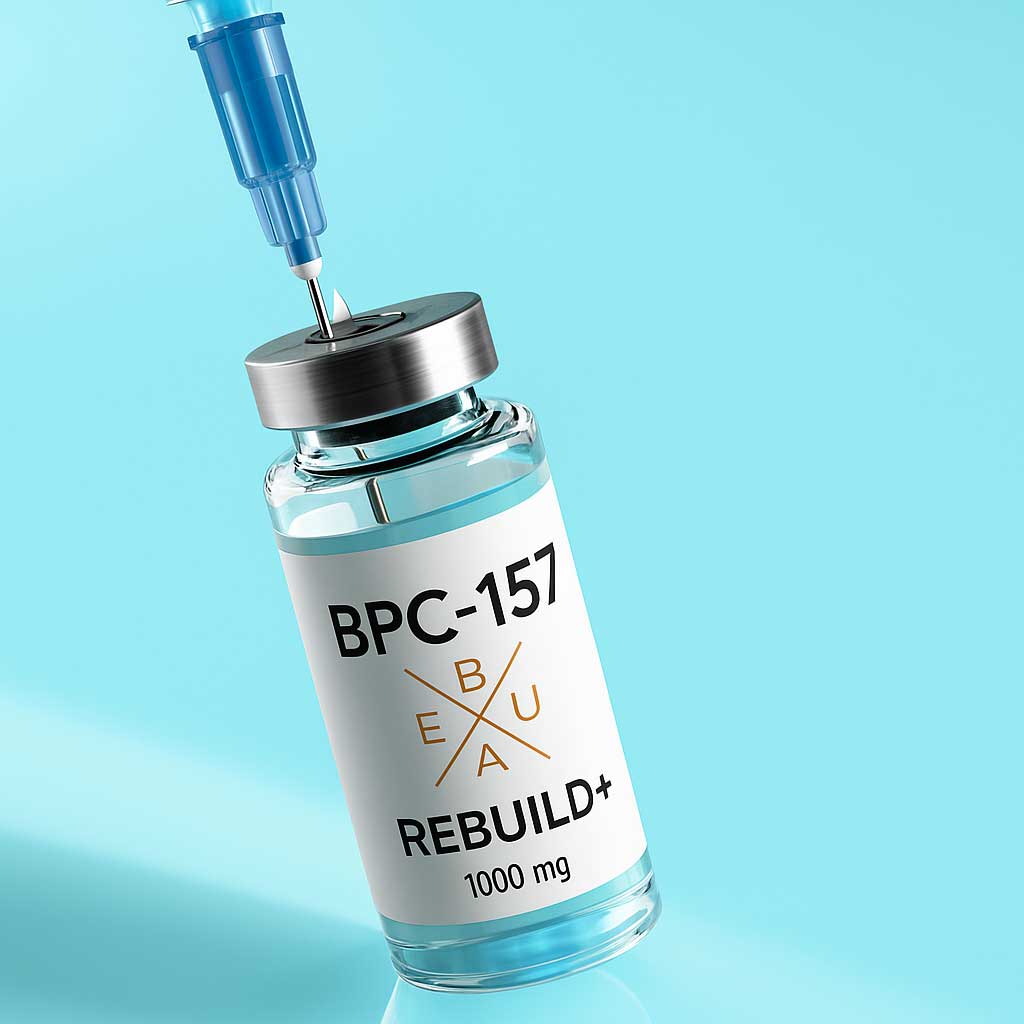
Full detail is in our guide to storing peptides before and after reconstitution, and the essentials are: Before reconstitution: the lyophilized (freeze-dried) vial is the most stable form
In vivo and in vitro experiments clarify the hierarchical regulatory mechanisms: Butyrate directly regulates Th17/Treg homeostasis, promotes Treg differentiation through the HDAC1/FoxP3 pathway, and simultaneously inhibits Th17 activation and the expression of IL-17, IL-23, and RORt ( CB indirectly assists immune tolerance by upregulating retinol metabolism, reducing pro-inflammatory microbiota ( Focus on FP: Clostridium mixtures ( FP , Bacteroides faecis, Roseburia intestinalis) restore the Treg/Th17 balance in DSS-induced UC mice, increase IL-10 and IL-4 secretion, reduce pro-inflammatory factors such as TNF, IL-1, and IL-17, and repair the intestinal barrier ( FP cell-free supernatant exerts non-butyrate-dependent anti-inflammatory effects by reducing colonic TNF-/IL-12 and increasing serum IL-10
Huang J, Weinstein SJ, Yu K, Mnnist S, Albanes D